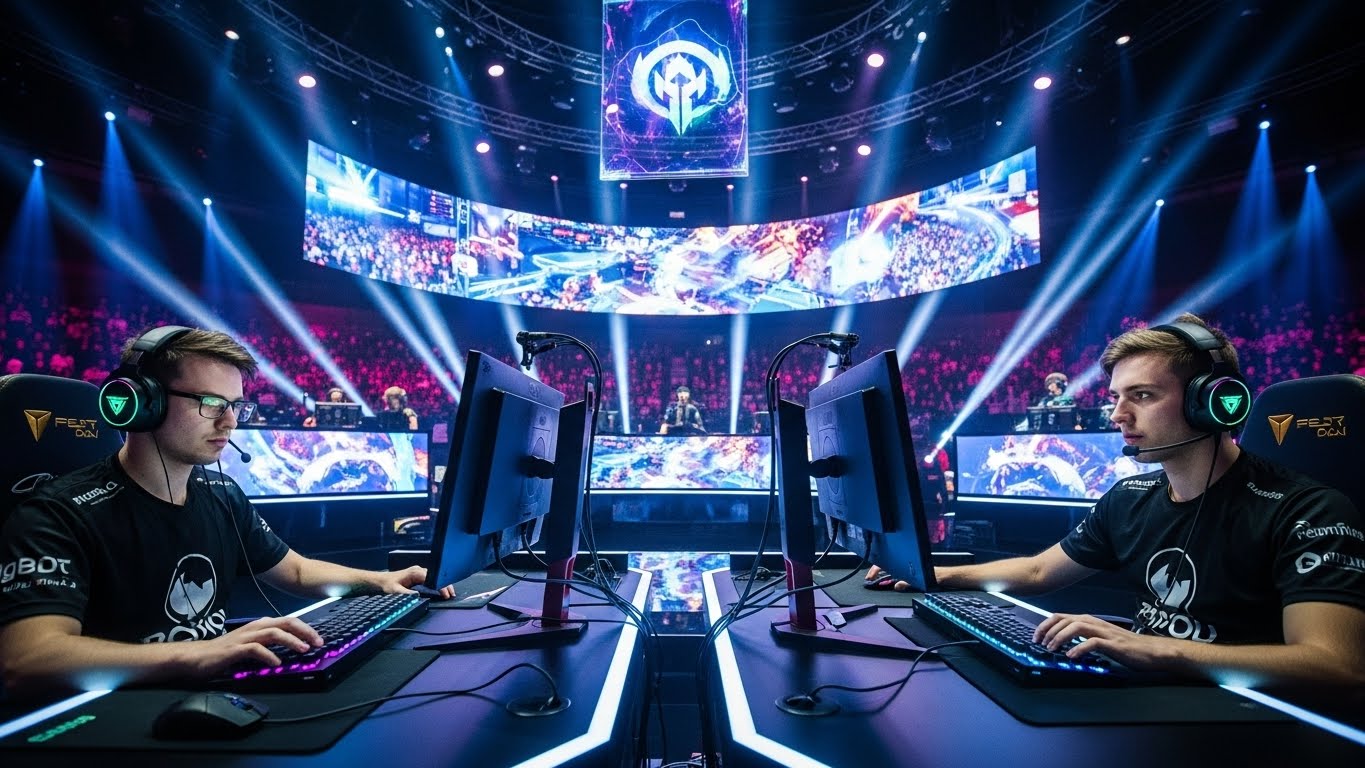
Scbet88 has evolved from small local tournaments into a global entertainment powerhouse. The rise of competitive gaming is no longer just a niche hobby—it’s a major industry with millions of fans, high-profile sponsors, and record-breaking prize pools. From Asia to North America, esports has crossed borders and cultures, becoming a shared language for millions of players and viewers.
This explosive global esports growth is driven by technology, community, and a new generation of fans who treat gaming like a mainstream sport. Let’s explore how esports expanded worldwide and what’s shaping its future.
Asia’s Dominance
Asia has been the driving force behind esports’ global growth. Countries like South Korea, China, and Japan have long embraced competitive gaming, turning it into a cultural staple.
Esports in Asia isn’t just entertainment—it’s a lifestyle. Fans gather in arenas, teams have celebrity status, and gaming is treated with the same respect as traditional sports.
Western Expansion
While Asia led the esports movement, the West quickly caught up. Europe and North America became major hubs for competitive gaming, especially with popular titles like:
- League of Legends
- Counter-Strike
- Fortnite
- Valorant
The rise of streaming platforms and esports leagues helped Western audiences connect with tournaments, driving massive growth.
Streaming Power
Streaming platforms like Twitch and YouTube changed the game. Esports became accessible to anyone with an internet connection.
Streaming made tournaments:
- Easy to watch
- Easy to share
- Easy to follow
The global reach of streaming turned esports into a worldwide phenomenon, allowing fans from different continents to experience the same event simultaneously.
Mobile Esports Rise
Mobile esports has become one of the fastest-growing segments. Games like PUBG Mobile and Free Fire have created huge competitive communities, especially in regions where mobile gaming is more accessible than PC.
Mobile esports growth shows that competitive gaming is no longer limited to high-end equipment. It’s becoming truly global and inclusive.
Corporate Sponsorships
Big brands are now investing in esports, recognizing its influence among younger audiences. Sponsors bring financial stability and legitimacy to the industry.
Brands from tech, fashion, energy drinks, and even mainstream companies are now part of esports. Sponsorships help teams grow, tournaments expand, and players earn bigger salaries.
Franchise Leagues
Franchise leagues have brought structure and stability to esports. Similar to traditional sports leagues, franchise systems create long-term investment opportunities and a more professional environment.
These leagues attract:
- Major investors
- High-quality production
- Strong fan communities
- Sustainable team growth
Franchise leagues are shaping the future of competitive gaming.
Global Talent Pool
Esports talent is no longer limited to specific regions. Players from around the world compete at the highest level.
The global talent pool has created exciting cross-regional matchups and new rivalries. Teams now scout talent worldwide, making esports a truly international sport.
Youth Culture Impact
Esports growth is closely tied to youth culture. Gaming is a major part of how young people connect, socialize, and express themselves.
Competitive gaming offers:
- Career opportunities
- Social identity
- Creative expression
- Community belonging
Esports has become a cultural movement, not just an entertainment genre.
Technological Growth
Technology has played a major role in esports expansion. Faster internet, better streaming quality, and improved gaming hardware have made esports more accessible than ever.
Virtual reality and cloud gaming are also shaping the future, opening new possibilities for immersive competitive experiences.
Educational Integration
Universities and schools are now offering esports programs. Competitive gaming is becoming an academic and career path, with scholarships and professional training.
This educational integration strengthens esports as a legitimate industry and creates a structured path for future talent.
Future Predictions
Global esports growth is far from slowing down. The industry is expected to expand through:
- More global tournaments
- Increased mainstream media coverage
- Better player welfare
- Enhanced fan experiences
- More regional leagues
The future of esports is not just bigger—it’s smarter and more mainstream.
Conclusion
Sbobet88 has grown from a niche hobby into a global cultural force. The rise of competitive gaming has been powered by technology, community, and the passion of millions of fans worldwide. From Asia’s dominance to Western expansion, streaming, mobile gaming, and corporate investments, esports has proven it’s here to stay.
The global esports growth story is still unfolding, and the next chapter will likely be even more exciting. As the industry becomes more professional and inclusive, esports will continue shaping entertainment, culture, and global youth trends.
Esports is no longer the future—it’s the present, and it’s growing faster than ever.