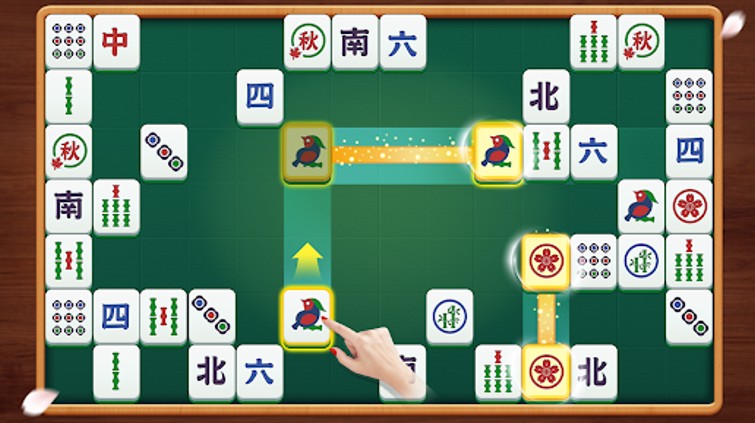
The online gaming industry continues to evolve rapidly, blending traditional gameplay elements with cutting-edge visual presentation and dynamic interactive mechanics. Among the various digital adaptations capturing player attention today, modern Mahjong-themed titles stand out as a prime example of successful innovation. By combining classic tile-matching structures with high-definition graphics, refined UI design, and interactive features, recent releases deliver an engaging experience tailored for both long-time enthusiasts and modern digital gamers.
Modern Visual Aesthetics and Seamless User Interface
One of the most noticeable upgrades in modern Mahjong titles is the transition to sleek, contemporary design standards. Traditional digital renderings often relied on basic, static representations of physical tiles. In contrast, current adaptations introduce dynamic lighting, 3D tile animations, and vibrant color palettes that create a premium aesthetic while preserving visual clarity during fast-paced sessions.
The user interface is fully optimized for intuitive navigation across diverse screen sizes. Smooth transition animations accompany every interactive action, providing instant feedback when matching symbols or triggering special game sequences. When exploring various titles across a reputable Situs Mahjong, users experience optimized performance characterized by rapid loading times, low latency, and stable frame rates across both mobile and desktop environments.
Mechanics and Interactive Feature Architecture
Beyond visual enhancements, contemporary Mahjong games integrate advanced mechanical structures designed to provide depth and maintain user engagement over extended sessions. While the fundamental concept of pattern recognition and matching remains unchanged, secondary layers of interaction create a more dynamic environment.
- Cascading Symbol Mechanics: Winning combinations automatically disperse from the grid, allowing new tiles to drop from above and potentially trigger successive evaluation chains within a single turn cycle.
- Escalating Multipliers: Sequential successful matches during a continuous chain frequently activate incremental score multipliers, altering the value scale of late-stage combinations.
- Specialized Symbol Transformations: Certain high-value tiles possess adaptive qualities, converting adjacent grid spaces into matching elements to facilitate complex board clears.
- Audio-Visual Personalization: Software configurations allow users to toggle between traditional acoustic soundscapes and modernized digital audio tracks to suit personal preference.
Understanding the structural balance and return metrics of a Slot Gacor Mahjong release provides valuable insight into how modern RNG (Random Number Generator) algorithms handle high-volatility feature distribution alongside steady base-game engagement.
Cross-Platform Optimization and Technical Standards
Cross-platform compatibility serves as a key pillar in modern tile-matching game design. Built primarily on modern HTML5 architecture, these titles render natively within standard web browsers without requiring external plugins or heavy hardware resources. Touchscreen interface controls are calibrated for high-precision input, allowing mobile users to execute commands with precise gestures. Memory management algorithms ensure that graphical effects, such as particle displays during bonus triggers, run smoothly without causing battery strain or thermal throttling on handheld devices.