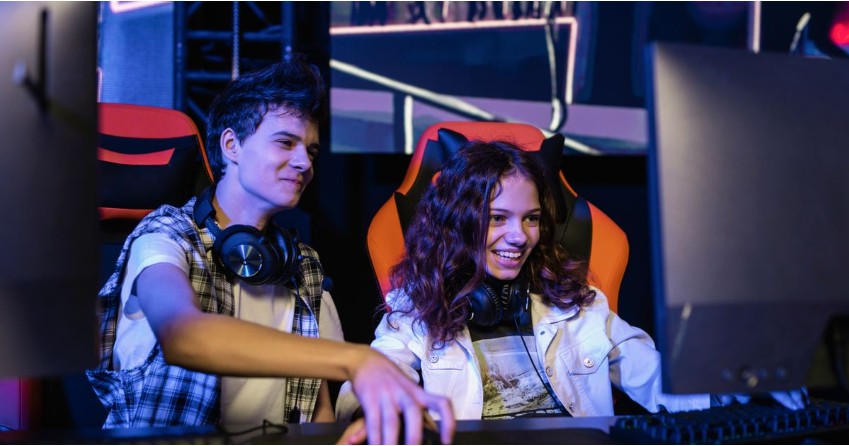
Are online games becoming more about skill than luck, and what does that mean for players? The short answer is yes, and that shift is changing how people learn, compete, and stay interested over time.
Skill-based features are now showing up in more online gaming experiences, from competitive modes to interactive bonus rounds. Instead of relying only on chance, these systems give players more control over outcomes through timing, accuracy, strategy, or decision-making.
That change matters because it makes play feel more active. It also gives players a clearer sense of improvement, since better choices and faster reactions can lead to better results.
Why Skill-Based Features Are Gaining Attention
Skill-based features are getting more attention because players often want more involvement than simple random outcomes can offer.
Many people enjoy games more when their actions affect what happens next. If a player can aim, match patterns, solve a quick challenge, or choose a smart move under pressure, the experience feels more personal. That sense of control can make the session feel more satisfying, especially for players who like to improve over time.
There is also a practical reason behind the rise of these features. Online gaming has become crowded, and creators are looking for ways to keep people interested. Adding skill-based mechanics gives players a reason to return, since practice can lead to better results. That creates a stronger connection between the player and the game itself.
How Skill-Based Mechanics Work
These features usually add a layer of player input on top of the main game structure.
Some are simple, such as timing-based taps or reactions that affect a bonus round. Others ask players to choose paths, manage limited resources, or solve small tasks that influence rewards. The key point is that the player is not just watching outcomes happen. Their actions matter.
In many cases, the skill element appears in short bursts instead of taking over the whole session. That keeps the experience accessible while still giving players a chance to make meaningful decisions. For example, a game may use chance for setup, then use a quick challenge to determine the final result of a feature round.
When used well, this format makes the experience feel more interactive without becoming too complicated. It gives both casual players and more experienced players something to focus on.
For players who already use hoki123 login, the appeal of skill-based features often comes from that added sense of control and active participation.
Why Players Respond So Strongly
People usually respond well to systems that reward effort, and skill-based features fit that idea very naturally.
When a player improves, the improvement is easy to notice. A better reaction time, a smarter choice, or a more accurate move can directly affect the result. That feedback loop is powerful because it makes progress feel real. It also gives players a reason to keep learning instead of treating each session as identical to the last.
Another reason these features connect with players is pacing. Quick skill challenges can add variety to a game that might otherwise feel repetitive. They break up the rhythm and give the player something active to do. That can make longer sessions feel fresher and more involved.
There is also a social side to it. Skill-based features often give players something to compare and discuss, such as reaction speed or consistency. That can make the experience feel more competitive in a healthy way, even when the game is played casually.
What Developers Need To Balance
Even though skill-based features are popular, they still need careful balance.
If a game asks too much of the player, it can start to feel stressful instead of fun. If it asks too little, the skill element may feel shallow and forgettable. The best results usually come from keeping the mechanic simple enough to understand quickly, while still leaving room for practice and improvement.
Fairness matters too. Players should be able to understand what their actions change and how success is measured. Clear rules help build trust. If a skill element feels random or confusing, players are less likely to feel satisfied with the result.
Accessibility is another important part of the design process. Not every player has the same reaction speed or comfort with fast input. Good skill-based features often offer different levels of challenge or short, readable tasks so more players can take part without feeling left out.
Some platforms, including hoki 123, reflect this trend by adding interactive features that give players more direct involvement during play.
The Future Of Online Gaming Experiences
Skill-based features are likely to keep growing because they fit how many people now want to play.
Players want more than passive outcomes. They want games that respond to their choices, reward practice, and stay interesting over time. Skill-based systems answer that need by adding movement, timing, strategy, and personal input to the experience.
As online gaming keeps changing, the strongest features will probably be the ones that mix chance and skill in a fair, readable way. That balance gives players excitement while still making their actions matter. It is a simple idea, but it has a big impact on how games feel from one session to the next.
In that sense, the rise of skill-based features is not just a passing trend. It reflects a broader shift toward more interactive, player-centered online gaming.