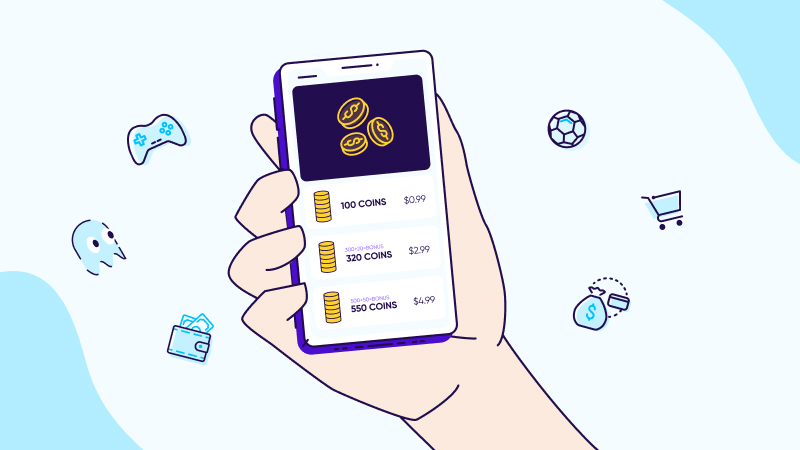
In-game purchases, commonly referred to as microtransactions, have become a staple in modern hoki123.net. Whether it’s buying a new skin for your character, purchasing a battle pass, or unlocking new levels, these transactions are deeply embedded in the gaming experience. But with many games offering in-game purchases, the question remains: are they worth it? Let’s dive into the world of microtransactions, explore their pros and cons, and help you decide if they’re worth your time and money.
1. What Are In-Game Purchases?
In-game purchases are items or content that can be bought within a game using real money or virtual currency. These purchases usually fall into several categories, such as:
- Cosmetic Items: Skins, outfits, emotes, and other visual items that don’t affect gameplay.
- Loot Boxes: Randomized rewards that give players a chance to earn in-game items.
- Battle Passes: Season passes that unlock additional content, challenges, and rewards over time.
- Pay-to-Progress: Items or boosts that speed up progress or unlock features faster than normal play.
While these purchases vary from game to game, they often offer a combination of cosmetic items, convenience boosts, or exclusive content.
Why It Wins:
- Allows players to personalize and enhance their gaming experience.
- Often provides players with access to exclusive content or features.
- Adds revenue for developers to keep the game updated and supported.
2. The Appeal of Cosmetic Items
One of the most common forms of in-game purchases is cosmetic items. These items don’t affect gameplay but allow players to customize their characters, vehicles, or other in-game elements. For many, buying skins, outfits, or weapon skins is a way to express their personality and stand out in a game.
Games like Fortnite and League of Legends are well-known for offering a wide variety of cosmetic items that appeal to players who enjoy showcasing their individuality. The appeal of cosmetic items lies in the fact that they don’t provide a gameplay advantage, ensuring that everyone remains on a level playing field. Players can make purchases simply for the enjoyment of the visual upgrade without worrying about pay-to-win mechanics.
Why It Wins:
- Personalizes the gaming experience and provides a sense of ownership.
- Doesn’t affect the balance of the game, keeping competition fair.
- Some cosmetic items are highly sought-after, creating a sense of exclusivity.
3. Loot Boxes: A Gamble
Loot boxes are another popular form of in-game purchase. These randomized reward systems allow players to buy boxes that contain various items, ranging from common to rare. The thrill of opening a loot box lies in the chance to earn rare, valuable, or exclusive items that are not guaranteed.
While loot boxes can add excitement to a game, they have also faced controversy due to concerns over gambling-like mechanics. Players may be enticed to spend real money to earn a better chance of obtaining rare or valuable items, leading to the possibility of spending more than originally intended. Some countries have even introduced regulations around loot boxes, requiring developers to disclose the odds of winning specific items.
Why It Wins:
- Adds excitement and unpredictability to the game.
- Can unlock exclusive or rare content not available through gameplay.
- For some players, it’s a fun part of the game’s progression.
4. Battle Passes: The FOMO Factor
Battle passes are a relatively new form of in-game purchase that has taken the gaming world by storm. Players purchase a battle pass for a specific season, unlocking a series of rewards as they play and complete challenges. This system creates a sense of progression and exclusivity, motivating players to log in and complete tasks in order to unlock new skins, emotes, and other rewards.
The downside? Battle passes typically have a time limit. If players don’t complete the challenges or earn enough experience points within the season, they miss out on the rewards. This creates a fear of missing out (FOMO), which can lead to players spending more time—and money—on the game to ensure they get all the rewards. Some players also argue that battle passes pressure players into grinding, which can feel like a chore.
Why It Wins:
- Provides a sense of progression and achievement.
- Unlocks exclusive content that can’t be obtained any other way.
- Motivates players to keep playing, creating ongoing engagement.
5. Pay-to-Progress: Convenience vs. Value
In some games, in-game purchases allow players to bypass tedious grind mechanics and progress faster. These purchases might offer boosts like experience point multipliers, faster in-game currency earning, or immediate access to higher-level content. For busy players or those who want to avoid repetitive gameplay, these purchases can be tempting.
However, the ethical debate surrounding pay-to-progress systems often revolves around whether they undermine the core principles of the game. Should players be able to buy their way to success, or should skill and effort dictate progression? These purchases can also lead to imbalances in competitive games, especially if some players use pay-to-progress systems to gain an unfair advantage.
Why It Wins:
- Allows players to skip the grind and save time.
- Provides convenience for those who prefer to enjoy the game without spending endless hours progressing.
- Offers value for casual players who don’t have the time to invest in long gameplay sessions.
6. The Downsides of In-Game Purchases
While in-game purchases provide many benefits, they also come with their fair share of downsides. Some of the most notable concerns include:
Pay-to-Win Concerns
In games that allow players to purchase items that give them a competitive edge—such as weapons, characters, or in-game boosts—there is a risk of creating an unfair advantage. This pay-to-win model undermines the skill-based nature of gaming, as players with deeper pockets may have an easier time winning, regardless of their actual skill level.
Addiction and Overspending
Microtransactions can be addictive, with players being tempted to spend more money on loot boxes, cosmetics, or other purchases. The psychology behind in-game purchases often preys on players’ desire to progress or look unique, leading to impulsive spending. This issue is particularly problematic for younger players who may not fully understand the financial implications.
Why It Wins:
- Addresses potential issues that can degrade the fairness and integrity of games.
- Calls for transparency from developers to avoid exploitation of players.
- Encourages responsible gaming and spending habits.
7. Are In-Game Purchases Worth It?
The question of whether in-game purchases are worth it depends on the player’s personal preferences and gaming habits. For those who enjoy customizing their character, supporting the game developers, or avoiding the grind, microtransactions can add value to the experience. However, players should always consider whether the content they’re purchasing enhances their experience and if it’s worth the cost.
For competitive players, it’s important to be mindful of games that may offer pay-to-win elements, as these can create an uneven playing field. Additionally, balancing the time spent in a game with financial spending is crucial to maintaining a healthy gaming experience.
Why It Wins:
- In-game purchases can enhance personalization, progression, and convenience.
- Players should always weigh the value of purchases against their gaming goals.
- Transparency and ethics in microtransactions are key to ensuring a positive gaming experience.
Conclusion: Weighing the Costs and Benefits
In-game purchases have become an essential part of modern slot depo 1000, offering both benefits and potential drawbacks. For many, microtransactions enhance their enjoyment and provide opportunities for self-expression, faster progress, and even excitement. However, it’s essential to make informed decisions and be mindful of the risks, such as overspending and pay-to-win mechanics.
Ultimately, whether in-game purchases are worth it comes down to personal preference. If a player enjoys the rewards and content provided through microtransactions and finds value in the investment, then it can enhance the overall gaming experience. However, it’s always wise to keep spending in check and ensure that your gaming enjoyment isn’t overshadowed by the desire to “keep up” or “stand out.”
As gaming continues to evolve, the balance between fair gameplay and microtransactions will likely remain a central conversation. By staying informed and being mindful of the impact of in-game purchases, players can enjoy a rewarding and financially responsible gaming experience.