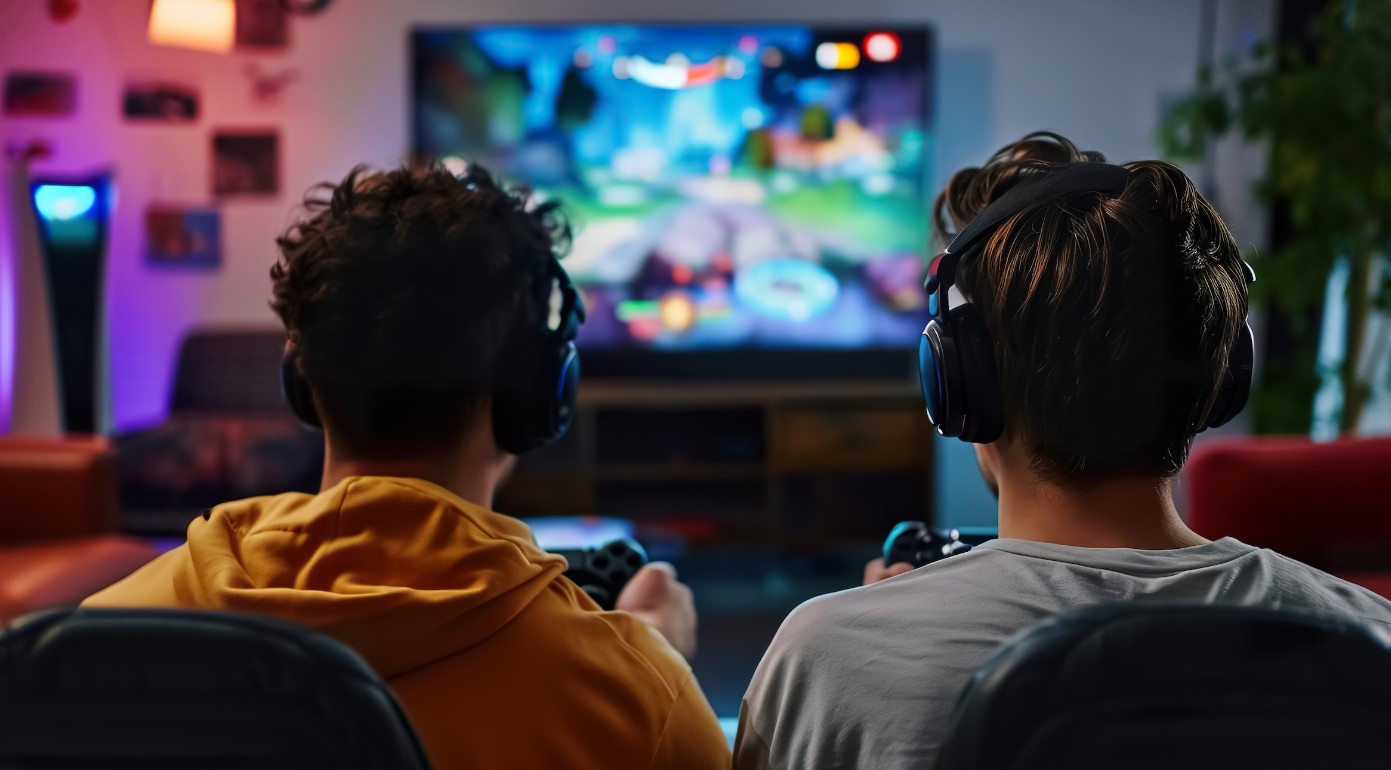
Hoki22 addiction has become a topic of increasing concern in the digital age, as online gaming continues to grow in popularity. What was once viewed as a harmless pastime has, for some, evolved into a serious problem that affects their daily lives, relationships, and mental health. As the gaming industry expands, it’s important to understand the science behind gaming addiction and the impact it has on individuals.
In this article, we’ll explore the psychological and neurological factors that contribute to gaming addiction, its signs and symptoms, and what steps can be taken to prevent and treat this growing issue.
1. What Is Gaming Addiction?
Gaming addiction, also known as internet gaming disorder (IGD), refers to the excessive and compulsive use of video games that interferes with a person’s daily responsibilities, relationships, and mental well-being. It is characterized by a loss of control over gaming habits, preoccupation with gaming, and a decline in overall quality of life.
Unlike casual gaming, where players engage with games for enjoyment and relaxation, addiction occurs when gaming becomes a dominant activity that overshadows other aspects of life. The World Health Organization (WHO) officially recognized gaming addiction as a mental health disorder in 2018, acknowledging its potential to negatively impact people’s lives.
Why It Wins:
- Growing concern about gaming’s impact on mental health and daily functioning.
- The recognition of gaming addiction by global health organizations has fueled more research into the phenomenon.
- Understanding the definition is the first step toward addressing the issue.
2. The Brain Chemistry of Gaming
The addictive nature of gaming is deeply rooted in brain chemistry. Video games are designed to stimulate the release of dopamine, a neurotransmitter associated with pleasure, reward, and motivation. Every time a player achieves something in a game—whether it’s completing a level, unlocking a new item, or winning a match—dopamine is released, creating a feeling of accomplishment and satisfaction.
This constant stream of rewards and positive reinforcement can cause the brain to seek more of this “dopamine high,” leading players to invest more time and energy into gaming. As players become more engaged, their brain begins to associate gaming with pleasure and rewards, creating a cycle that becomes difficult to break.
Why It Wins:
- Dopamine release reinforces addictive behavior, making gaming highly rewarding.
- Games are designed to maximize player engagement, leading to longer sessions and a stronger desire to continue playing.
- This neurological process explains why some individuals develop an unhealthy attachment to gaming.
3. Psychological Triggers for Addiction
Beyond the brain’s chemistry, there are psychological factors that can contribute to gaming addiction. These triggers can vary from person to person but often include:
- Escapism: Many players use games as a form of escape from stress, anxiety, or real-life problems. Immersing themselves in a game world allows them to forget their worries and feel a sense of control.
- Social Connection: Multiplayer games, especially those with large online communities, offer players the opportunity to connect with others. The social aspect of gaming can create strong bonds, and some players may become addicted to the sense of belonging and validation that comes with these relationships.
- Competitiveness: Competitive gaming can be highly addictive, especially in esports or ranked games where players are constantly striving to improve their skills and rankings. The desire for recognition and the thrill of winning can drive players to devote more and more time to their gaming sessions.
Why It Wins:
- Escapism provides temporary relief, reinforcing the desire to play for longer periods.
- Social interaction in online games creates a sense of community that can lead to emotional attachment.
- Competitive gameplay fosters a need for constant improvement and achievement, driving prolonged engagement.
4. Signs and Symptoms of Gaming Addiction
Recognizing the signs of gaming addiction is crucial for early intervention. The following symptoms may indicate that gaming has become problematic:
- Preoccupation with gaming: Constantly thinking about gaming, even when not playing.
- Inability to stop playing: Spending excessive time gaming, even if it interferes with work, school, or relationships.
- Neglecting responsibilities: Letting important responsibilities, such as schoolwork, chores, or social engagements, slip due to gaming.
- Mood swings and irritability: Feeling anxious, irritable, or upset when unable to play games.
- Withdrawal from social activities: Avoiding offline social interactions in favor of gaming.
If a person shows several of these signs, it may be a signal that gaming has become a compulsive behavior rather than a casual hobby.
Why It Wins:
- Recognizing symptoms early can help individuals and families take steps toward seeking help.
- Gaming addiction can be subtle, often masked by the excitement and enjoyment of the gaming world.
- Early intervention can prevent the problem from escalating.
5. The Impact of Gaming Addiction
Gaming addiction can have significant consequences on an individual’s physical, mental, and social well-being. Here are some of the most notable effects:
- Mental health issues: Prolonged gaming can contribute to depression, anxiety, and loneliness, especially if gaming is used as an escape from real-life problems.
- Physical health problems: Sitting for long periods while gaming can lead to physical issues such as poor posture, back pain, eye strain, and disrupted sleep patterns.
- Social isolation: While online gaming fosters social connections, excessive gaming can lead to withdrawal from offline relationships, resulting in loneliness and social isolation.
- Poor academic or professional performance: Gaming addiction can interfere with work or academic responsibilities, leading to poor performance or even job loss or academic failure.
Why It Wins:
- The effects of addiction go beyond the gaming experience, impacting overall life satisfaction.
- Both mental and physical health can be compromised due to prolonged gaming.
- Social isolation and neglect of responsibilities are often overlooked consequences.
6. Preventing and Treating Gaming Addiction
There are several steps that can be taken to prevent and treat gaming addiction. Here’s how to address the issue effectively:
- Setting limits: Establishing clear boundaries around gaming time can help prevent it from becoming excessive. Time management and moderation are key.
- Balancing gaming with other activities: Encouraging players to engage in other hobbies, such as sports or social activities, can help reduce the focus on gaming.
- Seeking professional help: For individuals struggling with severe gaming addiction, therapy or counseling may be necessary. Cognitive-behavioral therapy (CBT) has been shown to be effective in treating behavioral addictions, including gaming.
- Support from loved ones: Support from family and friends can be crucial in encouraging healthier gaming habits and providing emotional support during the recovery process.
Why It Wins:
- Setting boundaries and balancing activities can help prevent gaming from becoming a dominant force in life.
- Professional treatment can help individuals address underlying issues contributing to addiction.
- Emotional and social support is vital for long-term recovery.
7. The Future of Gaming Addiction
As gaming technology continues to advance, the potential for addiction may increase. Virtual reality (VR) and augmented reality (AR) are poised to make gaming even more immersive, which could intensify the effects of addiction for vulnerable individuals. Additionally, the continued rise of mobile gaming and free-to-play games with in-app purchases could lead to more players becoming addicted without realizing the impact on their lives.
However, as awareness around gaming addiction grows, there is hope for more preventive measures, including better parental controls, game design that encourages healthy play, and resources for individuals struggling with addiction. The future of gaming addiction treatment will likely involve a combination of technology, education, and community support.
Why It Wins:
- As gaming becomes more immersive, understanding the risks of addiction will become even more important.
- Developing healthier gaming habits and preventive resources can help mitigate future risks.
- Awareness and education will play a crucial role in preventing addiction in future generations of gamers.
Conclusion: Striking a Balance
rolet online addiction is a serious issue that affects millions worldwide, and understanding its psychological and neurological underpinnings is essential in addressing it. While online gaming offers incredible entertainment and social opportunities, it’s crucial to recognize the signs of addiction and take proactive steps to ensure that gaming remains a positive and enjoyable experience.
By balancing gaming with other activities, setting boundaries, and seeking professional help when necessary, gamers can enjoy the world of online gaming without letting it take over their lives. As we move into a future filled with even more immersive gaming experiences, maintaining a healthy relationship with gaming will be key to ensuring that it remains a force for good.